Household Electrical Hazards You Can Avoid

electrical fires

3 Common Electrical Hazards Most Houses Have

Between smartphones, electric stoves, dryers, and all the other electrical appliances of the modern age, it’s hard to imagine a world without electricity. But the benefits of electricity don’t come without their risks. There are an estimated 51,000 home fires caused by electrical hazards every year, and most of those fires are preventable with the right knowledge. Keep reading to learn about three common electrical hazards found in the average home, and how to prevent them from becoming a big problem.

overloaded power stripsThe Most Common: Overloaded Power Strips

Every home in America is guilty of overloading power strips. It just happens! Plugging in phones, computers, TVs, and other appliances can take up all the outlets in a home, so people resort to overtaxing a powerstrip for extra bandwidth.

When is a powerstrip overloaded? Power strips have a maximum amount of amps they can handle, usually under 12. Any amount of appliances plugged in that use more than 12 amps can overload a power strip. For perspective, a toaster and a coffee maker usually use about 20 amps of energy. It’s better to underload a power strip, to prevent any melting or burning that can arise from electrical surges. If calculating amps and wattage aren’t possible while using a power strip, a good rule of thumb is to avoid using more than half of the outlets on the strip itself.

The Oldest Issue: Poor or Outdated Wiring

Historic homes may come with unique features and beautiful architecture, but they also come with a danger hidden in the walls: old wires. Homes more than a few decades old aren’t set up to handle modern electrical needs. The average modern home can handle 200 amps of electricity, but most older homes can only manage a fourth of that or around 60 amps.

Additionally, homes older than 20 years are usually fitted with frayed, poorly insulated wiring and fuses. Worn-down wire insulation, broken fuses, or overworked old wires can lead to electrical fires. Because of this trend, older homes should be inspected for outdated wiring. The only solution for old wiring is to have an electrician run new wires throughout the home that can handle the needs of modern technology.

The Easy Mistake: Using the Wrong Light Bulbs

lightbulb

Most people don’t think there’s such a thing as using the wrong light bulb, but there most definitely is! Using a light bulb with too high of wattage can lead to overheating of the lightbulb itself. The result can mean melted light sockets and damage to wiring and wiring insulation connected to the socket. What’s more, using the wrong type of light bulb can send electric bills through the roof and contribute to energy waste in the home.

Preventing electrical disasters isn’t rocket science. Homeowners can watch out for these common electrical hazards and stop them from harming their homes. Of course, if professional help is needed, contact a local electrician for assistance.

About The Meridian Company

The people of Lansing know that when electrical problems come calling, The Meridian Company is ready to fix them! For over three decades, their reliable experts have been providing 24/7 electrical support to their community. They guarantee satisfied customers and top-of-the-line work with every project. Call today for reliable electric service in Lansing, MI.


Summer Fun Tips That Won’t Waste Water

Summer Fun Tips That Won’t Waste Water


When the summer season moves in, it brings with it a lot changes to the way we live. For families, the kids are no longer at school for most of the day, and parents can spend more quality time with them, either at home or on vacation.

The weather gets warmer and more pleasant, and the even the days get longer.But not all of these changes are so benign. Summer also brings with it less frequent rainfall, but this is also the exact time when grass, trees, and other vegetation are in full bloom and require more water than ever to stay healthy.

This is also the time when water usage goes up more than normal with diversions like playing in the sprinkler. But, there are things you can do even during a period of heavier water usage to minimize water usage as well as the spike you might get in your bills.

Get a Cover for Your Pool


One of the most entertaining—and expensive—ways to enjoy water in the summer at home is with a full-blown swimming pool built into the yard.

You might be tempted, once it’s filled and ready to go for the summer, to keep it exposed and prepared for action. Instead, think about getting a cover for it and putting it in place when the pool’s not in use.

This lets you save on replenishing water because the pool is protected during the hottest part of the day, when water tends to evaporate. This also saves on maintenance costs.

You’re not pulling leaves out of the water, and your chemicals and filters don’t have to deal with contaminants from above, like bird droppings.

Be Strategic About Watering the Yard


If you’re going to let the kids run through the sprinkler, count that as the time when you’re watering the yard for the week.

However, during those other occasions when the kids aren’t using the water, but the yard itself still needs maintenance, timing is everything.

Watering a yard during the hottest part of the day is great for kids, but not so great for water efficiency. That heat evaporates a lot of the usable water before your vegetation can absorb it.

If you time your watering of plants during the cooler times, such as in the morning, or in the evening, then the water lingers for much longer. This lets you water your yard less frequently because you’re making your water go the distance.

Create a Water Play-set


If you have toys that your smaller children love to play with in the tub, why stop there? Take a container for water, such as for laundry, fill it with water, decorate it with rocks and other items at the bottom, then let your children play with their toys.

Now all the splashing with toys normally reserved only for the bathtub is allowed outside as well. If you bring other water safe toys, kids can have a lot of fun splashing with toys in the water, without actually drawing more water from your home’s water supply.

The Summer Heat Is Here: Is Your AC Up to the Task?

The Summer Heat Is Here: Is Your AC Up to the Task?

We’re on the brink of summer, and long stretches of warm weather lie ahead. To prepare for sweltering days and windless nights, use the remaining days of spring to make sure your air conditioner is in good shape.

By assessing your AC now, you can avoid any failures or repairs down the line that could affect the quality of your cooling system and put you out of complete comfort for a few days.

Here is what our experts at The Meridian Company recommend doing before the summer heat hits.

Arrange an Inspection

Don’t see any irrefutable signs of damage or malfunction with your cooling system? That’s great!

However, it’s still important to book a yearly inspection, and there’s no better time to do it than right before summer.pro

Setting up regular tune-ups and maintenance checks allows professionals to identify any potential issues before they get worse.

Alternatively, if you do notice irregularities such as negligible cooling impact or odd noises, make sure you book an appointment right away.

Our team is well-equipped to accurately identify many of the common problems with AC units.

Whether the problem lies in your condenser coils, air filter, thermostat, or drainage, we can recognize and fix it within an efficient timeframe.

Know When to Retire Your Unit

If your unit is reaching close to 10 years of age and you need to have it fixed anyway, this is a good time to consider replacement instead of reparation.

Likewise, if your unit seems to be in good condition but is more than 10 years old, it’s high time for a replacement.

Newer units are designed to save energy, work more efficiently, and use a more environmentally friendly refrigerant.

It might seem counterintuitive to replace a unit before it breaks down, but doing so can help you conserve costs and help you dodge expensive maintenance costs down the road.

A unit that has passed its shelf life is considerably higher maintenance and more likely to run into mechanical issues than a modern system.

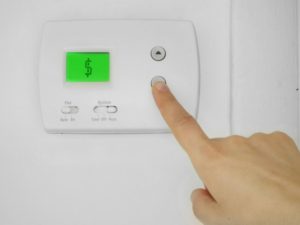
Save Money by Setting the Thermostat Strategically

It’s easy to get accustomed to a constant stream of refreshing, icy air blasting through your home all summer.

But if you can stand to, set the thermostat higher when you’re out of the house or asleep.

If you have a programmable thermostat, you can set it to stay cool when you’re at home and operate at save-thermostathigher temperatures when you’re not.

You can also save on cooling costs by making sure your home is well sealed.

You can perform a DIY or professional energy audit to identify areas of air loss in your home using a thermographic camera.

Doing so will allow you to seal up any leaks and avoid losing precious cool air.

Lastly, make sure your thermostat is not placed too close to a hot window or door or on the hotter side of the house.

This can cause your air conditioner to take effect more frequently than necessary because the house appears hotter than it really is.

Our heating and cooling experts can advise you on optimal thermostat placement.

Your Guide to Avoid Costly Repairs with Monthly HVAC Maintenance

Your Guide to Avoid Costly Repairs with Monthly HVAC Maintenance

Regular, preventative maintenance on your HVAC system is just as vital as it is for your vehicle. By completing these easy protective measures, you'll be able to ensure that your HVAC system is running to its peak ability, all year long.

Enjoy lower energy bills and a peace of mind by learning exactly how to maintain your HVAC system with the following guide:

Regularly Check, Clean, and Replace the Air Filter

Check your HVAC system's air filter monthly to keep your entire system working efficiently. When you're checking the filter, take note of how much dust and debris has accumulated since the last replacement.

This will let you know whether or not you should upgrade your filter, or if you should consider a simple clean.

The original filter packaging will most likely let you know the recommended time frame in which you should replace the filter, and this ranges typically between one and six months, depending on the brand.

When you're considering how often you should be cleaning or replacing your filter, ask yourself the following questions:ac-filter

  • Are there people with persistent allergies in my home?
  • Does anyone smoke inside the house?
  • Do I have pets that shed a lot?
  • Is the outdoor environment dusty right now? Is it spring or fall?

If you answered yes to one or more of these questions, your air filter likely needs to be replaced more frequently. This will keep your air cleaner and free of irritants, while increasing the efficiency of your HVAC system.

Complete Outdoor Cleanups

Once a month, if the weather permits, get outside and perform a cleanup of any excess debris around the outdoor HVAC unit.clean-outdoor-ac

This debris and dirt can enter your home through the unit, and decrease how well the system works overall.

Before beginning any outdoor maintenance, ensure the unit is completely turned off to ensure your safety.

Two times per year – once in the spring and once in the fall – complete a more thorough cleanup of the HVAC outdoor space.

Along with sweeping up any leaves or dirt surrounding the unit, open up the sides of the unit and give them a good scrub. This removes any build up that is sticking to the grates or side of the unit.

Have an Annual Tune-Up

On an annual basis, have your HVAC system tuned up by a professional to reduce energy costs and improve your system's lifespan.

tune-upA professional tune-up job will complete the following procedures, and more:

  • Lubricate any moving parts of the system.
  • Tighten all electrical connections.
  • Check the thermostat.
  • Test all system controls.
  • Clean the blower completely.

Annual tune-ups are like a check-up for your HVAC system. The HVAC expert will go in, fix what needs fixing, and make any recommendations on what may require repair soon.

Perform regular maintenance, and gain the cost-effective and comforting benefits that just a little bit of your time provides.

Your Reliable Guide to Going Green

Your Reliable Guide to Going Green

It makes sense to do everything that you can to make your home look good and be in good repair because your home is an investment. Beyond the obvious repairs and maintenance, did you know that it is a good idea to go green at home to keep it in great shape?

There are many benefits; green homes are more comfortable and durable; they usually have better indoor air quality and can help your social conscience too, because they are better for the environment. There are cost benefits as well.

Convinced and ready to go green? Here is how to get started.

Water Filtration Systems Instead

One of the biggest culprits that threaten the environment is plastic water bottles. You are far better served to invest in a home water filtration system instead.

They are inexpensive, easy to use and easy to maintain. They produce a superior product, without the environmental damage of empty plastic bottles ending up in landfills.

Reduce Your Carbon Footprintcarbon-footprint

You should be mindful of reducing your carbon footprint everywhere, but you can probably make the most impact in your home.

Only have EnergyStar appliances. Don’t run the dishwasher or washing machine unless full. Unplug electronics when you aren’t using them.

Inspect windows and doors to make sure caulking is intact. Ensure that exterior walls are properly insulated.

Plant a garden and grow your own produce. Consider converting to solar power. Park your car in the garage and walk or bike whenever possible. Switch your current car to a hybrid model.

Tankless Water Heaters

One of the smartest green moves you can make is to install a tankless water heater. Traditional storage tanks cycle heat around water in a specified period (usually 24 hours), which wastes the energy if you’re not using the water as it is heated.

Tankless units work on demand, which means that water is only heated once. Tankless water heaters are smaller than traditional tanks, which is appealing and cost far less to run.

Eco-Friendly Plumbing Fixturessave-water

If you are going to pick one room to go green, make it your bathroom. That’s because the bathroom is where much of the household water use occurs.

For instance, your toilet accounts about a third of your household’s total water use. Reduce that by putting a dual flush feature on your toilet.

It uses more water for solid waste and less water for liquid waste.

Low-flow showerheads reduce the flow rate of water coming out of the shower without diminishing the water pressure or water temperature.

Plans for Earth Day?

Why not make this year’s Earth Day celebrations on April 22 personal for you. Take this opportunity to get educated about alternative energy, like wind and solar power. Find out about how to set up a recycling strategy that works. Go green!